Can Cats Eat Bread Vet Approved
Can cats eat bread? Many cat owners wonder if feeding bread is safe. In this guide, we’ll explore different types like banana bread, sourdough, white, garlic, whole wheat, multigrain, and even special breads like pumpkin, brioche, and gluten free. We’ll also cover bread combinations like bread and butter, bread and milk, and peanut butter variations. Whether it’s plain, toasted, or pizza bread, understanding what your cat can safely eat is key.
Can cats eat bread
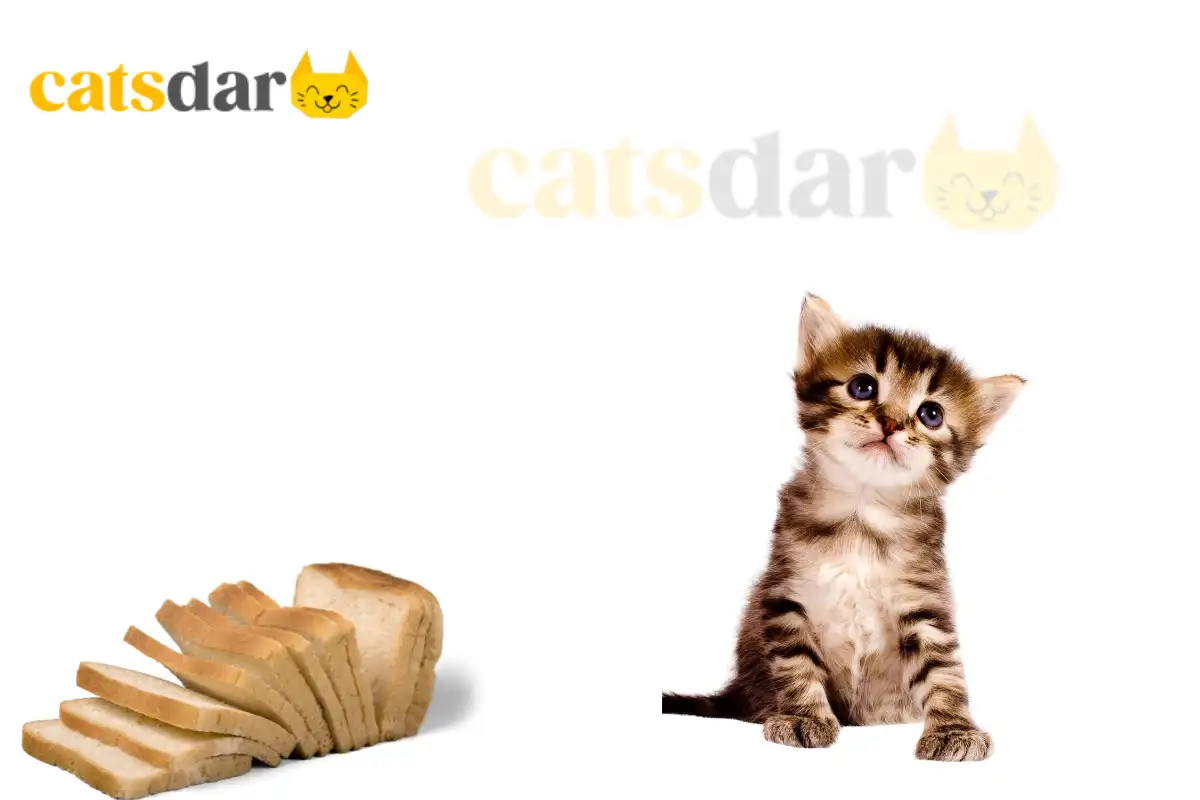
Cats can eat bread in small amounts, but it should never replace their regular diet. Bread doesn’t provide essential nutrients cats need, like protein and taurine. Plain bread without added sugar, salt, or spices is safest.
Expert tip: Think of bread as an occasional treat, not a regular snack. Too much bread can upset your cat’s stomach or contribute to weight gain.
Can cats eat banana bread
Banana bread is not recommended for cats. It often contains sugar, butter, and sometimes chocolate or nuts, which can be harmful. Even small bites may cause digestive upset.
Expert tip: If you want to give your cat something special, stick to cat friendly treats or a tiny piece of plain banana instead. Avoid human desserts altogether.
Can cats eat sourdough bread
Sourdough bread is generally safe in very tiny amounts, as long as it doesn’t contain toxic ingredients like garlic or onion. However, the fermentation and yeast content can sometimes cause gas or bloating in cats.
Expert tip: Only offer plain, fully baked sourdough occasionally. Always monitor your cat after trying a new food.
Can cats eat white bread
White bread is low in nutrients and not harmful in small amounts, but it’s not a healthy choice. Cats don’t need bread in their diet, and too much can lead to obesity or stomach upset.
Expert tip: Treat white bread as a rare snack, not a food replacement. Focus on protein rich cat foods instead.
See also:Can Cats Eat Blueberries
See also:Can Cats Eat Beans
Can cats eat corn bread
Cornbread may contain sugar, butter, and milk, which are not ideal for cats. Plain cornbread without added ingredients might be safe in very small bites, but it still offers no nutritional benefit.
Expert tip: Limit cornbread to a tiny taste if you must, but your cat will be healthier sticking to cat safe foods.
Can cats eat wheat bread
Cats can eat wheat bread occasionally, but it should be plain and free of additives like sugar, salt, or butter. Wheat bread doesn’t provide the proteins or nutrients cats need for a healthy diet.
Expert tip: Treat wheat bread as a very rare snack, not a part of their daily meals. Always prioritize protein rich foods.
See also:Can Cats Eat Basil
See also:Can Cats Eat Bananas
Can cats eat bread crust
Bread crust is generally safe for cats in tiny amounts. It’s still mostly carbohydrates, which don’t add real nutritional value for cats. Overfeeding can lead to weight gain or digestive upset.
Expert tip: Give a small crust as a one time treat and make sure your cat doesn’t fill up on carbs instead of their balanced food.
Can cats eat garlic bread
Garlic bread is unsafe for cats. Garlic can cause serious health issues, including stomach upset and even red blood cell damage. Even a small amount is risky.
Expert tip: Never feed garlic bread to your cat. Stick to foods made specifically for felines.
Can cats eat whole wheat bread
Whole wheat bread is slightly better than white bread, but it still doesn’t meet a cat’s nutritional needs. Small bites occasionally are okay if it’s plain, but it shouldn’t be a regular part of their diet.
Expert tip: Think of whole wheat bread as an occasional nibble, not a snack replacement. Your cat’s main food should always be protein based.
Can cats eat bread and butter
Bread and butter is not recommended for cats. Butter contains high fat, which can upset your cat’s stomach or lead to obesity. Bread adds carbs that aren’t necessary for cats.
Expert tip: Avoid giving bread and butter entirely. Instead, offer cat safe treats or tiny bits of cooked meat if you want to spoil them.
Can cats eat pumpkin bread
Cats can eat pumpkin bread in very small amounts, but it’s not ideal for their diet. Pumpkin bread often contains sugar, spices, and butter, which aren’t healthy for cats. Plain pumpkin in tiny bites is safer and offers fiber for digestion.
Expert tip: Treat pumpkin bread as a rare snack only, and avoid giving it regularly. Stick to cat safe pumpkin treats when possible.
Can cats eat bread and milk
Bread and milk might seem harmless, but many cats are lactose intolerant. Bread adds carbs with little nutritional benefit, and milk can cause stomach upset or diarrhea.
Expert tip: If you want to give your cat a treat, skip the milk and offer water or specially formulated cat milk instead.
Can cats eat hawaiian bread
Hawaiian bread is sweet and soft, but its sugar and butter content make it unhealthy for cats. Even a small bite can upset their stomach or contribute to weight gain over time.
Expert tip: Think of Hawaiian bread like candy for humans it’s better left off your cat’s menu. Small, plain treats are always safer.
Can cats eat multigrain bread
Multigrain bread is safer than sweet breads, but it still provides little nutrition for cats. Some grains might be hard to digest, especially if your cat has a sensitive stomach.
Expert tip: Only offer a tiny crumb occasionally. Focus on high protein cat foods instead for their energy and health needs.
Can cats eat banana nut bread
Banana nut bread is not recommended. Nuts can be toxic for cats, and sugar plus butter can lead to digestive issues. Even small bites can trigger vomiting or diarrhea.
Expert tip: Avoid banana nut bread completely. If you want to share something, a small piece of plain banana is safer.
Can Cats Eat Bread and Peanut Butter
Cats can eat bread and peanut butter in very small amounts, but it’s not ideal for their diet. Bread itself is mostly carbs, and peanut butter can be high in fat and sometimes sugar. Too much can upset their stomach or cause weight gain.
Expert tip: Always give peanut butter only in tiny quantities and make sure it doesn’t contain xylitol, which is toxic to cats. Treat it as an occasional snack, not a regular meal.
Can Cats Eat Brioche Bread
Cats can eat brioche bread, but it should be very limited. Brioche is rich in sugar and butter, which isn’t healthy for cats. Eating too much can cause digestive issues or even pancreatitis over time.
Expert tip: If you want to share a little with your cat, only give a tiny crumb and avoid making it a habit. Cats don’t need sweet bread in their diet.
Can Cats Eat Brown Bread
Cats can eat brown bread safely in small amounts. It’s slightly healthier than white bread because it has more fiber, but it still doesn’t provide the nutrients cats need. Brown bread should be a rare treat.
Expert tip: Don’t add toppings like butter or jam. Keep it plain, and just a tiny piece is enough for curiosity satisfaction.
Can Cats Eat Butter Bread
Cats can eat butter bread occasionally, but it’s not recommended. Butter adds extra fat, which can lead to digestive upset or weight gain. Bread alone is harmless in small crumbs, but the butter makes it less healthy.
Expert tip: Skip the butter if possible. If your cat gets a tiny piece, make sure it’s an occasional treat, not a regular snack.
Can Cats Eat Cheese Bread
Cats can eat cheese bread in tiny amounts, but be careful. Some cats are lactose intolerant, and cheese can upset their stomach. Bread itself is okay in small quantities, but combined with cheese, it can be richer than their digestive system can handle.
Expert tip: Only offer a tiny crumb of cheese bread as a treat and monitor your cat for any stomach upset afterward.
Can Cats Eat Cinnamon Bread
Cats can eat cinnamon bread in very small amounts, but cinnamon in large amounts can be irritating. Bread is safe, but too much spice may cause digestive issues. Keep it occasional and minimal.
Expert tip: Only give a tiny piece once in a while, and never use cinnamon sugar heavily coated on the bread. Stick to plain or lightly spiced crumbs.
Can cats eat croissants bread
Croissants bread isn’t toxic to cats, but it’s not ideal for their diet. Cats are obligate carnivores, which means their bodies are designed to process meat, not carbs. A small nibble of croissant bread now and then won’t harm them, but it should never replace proper cat food.
Expert tip: Think of croissants bread as an occasional treat, like a sprinkle of fun, not a meal.
Can cats eat french bread
French bread is generally safe for cats in tiny amounts. It’s mostly flour and water, so it lacks the nutrients cats need. Feeding too much french bread can upset their stomach or lead to unnecessary weight gain.
- Only offer small pieces occasionally
- Avoid any bread with garlic, onions, or added salt
- Always watch for signs of digestive discomfort
Expert tip: If your cat loves bread, try giving a tiny piece as a rare treat and keep the rest for yourself.
Can cats eat gluten free bread
Gluten free bread is safe for cats in moderation. Even though it’s free of gluten, it still doesn’t provide protein or essential nutrients cats need. It’s okay as a tiny treat, but should not be part of their regular diet.
Expert tip: Use gluten free bread sparingly. Cats don’t need gluten free diets unless prescribed by a vet for a specific condition.
Can cats eat honey wheat bread
Honey wheat bread is slightly sweeter than regular bread. Small amounts are safe, but the sugar content can upset your cat’s stomach if eaten too much. Always make sure it’s plain and free from raisins, nuts, or artificial sweeteners.
- Give only a small crumb or bite
- Never feed daily
- Monitor for any tummy upset
Expert tip: Treat honey wheat bread like a very rare dessert cats won’t benefit from the sweetness.
Can cats eat milk bread
Milk bread is soft and tempting for cats, but it’s mostly carbs and dairy. Some cats are lactose intolerant, so even small amounts could cause diarrhea or gas. A tiny piece won’t hurt most cats, but it’s better to stick to regular cat food.
Expert tip: If you offer milk bread, watch your cat closely for digestive issues and keep it extremely minimal.
Can cats eat moldy bread
Cats should never eat moldy bread. Mold can produce harmful toxins that may upset your cat’s stomach, cause vomiting, or even lead to more serious health issues.
Expert tip: Always check your cat’s food or treats for freshness. If you spot mold, toss it immediately cats’ digestive systems are sensitive and can’t handle it.
Can cats eat naan bread
Your cat can eat naan bread in very small amounts, but it’s not recommended as a regular treat. Naan often contains oil, butter, or garlic, which are not safe for cats in large amounts.
- Small, plain pieces occasionally are generally safe
- Avoid anything with garlic, onion, or too much seasoning
Expert tip: Treat bread as a very rare snack and prioritize cat safe foods that provide real nutrition.
Can cats eat pita bread
Cats can nibble on pita bread occasionally. Plain pita bread is usually safe in small portions, but it doesn’t provide any real nutritional benefits for cats.
- Keep portions tiny
- Make sure it’s plain and unsalted
Expert tip: Think of pita bread as a fun snack, not a part of their diet. Focus on protein based treats for better health.
Can cats eat pizza bread
Cats should avoid pizza bread. Toppings, cheese, and spices in pizza can be harmful, and even plain dough can be hard for cats to digest.
- Avoid feeding any pizza crusts with toppings
- Cheese in small amounts can sometimes be okay, but pizza has too much salt
Expert tip: If your cat snags a small piece accidentally, don’t panic but make sure it’s a one time thing, not a habit.
Can cats eat plain bread
Plain bread is usually safe in very small amounts for cats, but it doesn’t give them nutritional value. It’s mostly just empty carbs.
- Small bites as a treat are fine occasionally
- Avoid bread with added sugar, salt, or seasonings
Expert tip: Use plain bread only as a tiny treat. Real cat nutrition comes from meat and high quality cat food, not bread.
Can Cats Eat Potato Bread
Potato bread is soft and tasty, but can cats eat potato bread? Generally, a small piece here and there isn’t toxic for your cat, but potato bread often contains salt, sugar, and preservatives that aren’t ideal for their digestive system.
Expert tip: Treat it as an occasional snack, never a meal replacement. Watch your cat for any signs of stomach upset.
Can Cats Eat Raisin Bread
Raisin bread might seem harmless, but can cats eat raisin bread? The answer is no. Raisins are toxic to cats and can cause kidney failure even in small amounts. Bread alone isn’t dangerous, but the raisins make it unsafe.
Expert tip: Always check the ingredients before giving any bread. When in doubt, avoid it completely.
Can Cats Eat Rye Bread
Rye bread has a rich flavor, but can cats eat rye bread? Plain rye bread without additives is generally safe in tiny amounts. However, it can be dense and hard for your cat to digest, and anything with seeds, salt, or sugar should be avoided.
Expert tip: Offer only a tiny crumb if you want to give your cat rye bread, and monitor their reaction.
Can Cats Eat Sandwich Bread
Sandwich bread is common in households, but can cats eat sandwich bread? Plain sandwich bread is usually safe in small pieces, but it often contains sugar, salt, and yeast. Too much can lead to weight gain or digestive problems.
Expert tip: Keep it minimal and use it only for training treats, never as a regular snack.
Can Cats Eat Sweet Bread
Sweet bread is tempting for humans, but can cats eat sweet bread? No, sweet bread is not recommended for cats. The high sugar content, along with potential chocolate or raisins, makes it unhealthy and sometimes dangerous.
Expert tip: Stick to cat safe treats instead. Sweet bread is better left for your own snack time.
Can Cats Eat Toasted Bread
Cats can eat toasted bread in very small amounts, but it shouldn’t be a regular part of their diet. Toasted bread is mostly carbs, which cats don’t really need. Occasional tiny bites are generally safe, but avoid adding butter, jam, or garlic.
Tip from a cat nutrition expert: Treat toast as a rare snack, not a meal replacement. Your cat’s main nutrition should come from protein-rich foods.
Can Cats Eat Tortilla Bread
Cats can eat tortilla bread, but only plain and in tiny portions. Tortilla bread is soft and low in toxicity for cats, but it doesn’t offer any essential nutrients. Avoid spicy or flavored tortillas.
Expert advice: Think of tortilla bread as a “just once in a while” treat. Don’t let your cat fill up on bread instead of proper cat food.
Can Cats Eat Zucchini Bread
Cats can eat zucchini bread in very small bites, but it’s not ideal. Zucchini bread often has sugar, eggs, and other ingredients that cats shouldn’t eat regularly. A tiny crumb won’t hurt, but avoid making it a habit.
Pro tip: Always check ingredients first. If it contains raisins, chocolate, or nuts, skip it completely they can be dangerous for cats.
Can My Cat Eat Sourdough Bread
Cats can eat sourdough bread in tiny amounts, but it’s better to avoid it. Sourdough is fermented and may upset your cat’s sensitive stomach. Plain, small bites are usually safe, but too much could cause digestive problems.
Expert insight: Treat sourdough as an occasional nibble only, and always monitor your cat after trying new foods.
Can Stray Cats Eat Bread
Stray cats can eat bread when nothing else is available, but it’s not nutritious for them. Bread may fill their stomach temporarily, but they need protein to stay healthy. Offer small pieces in emergencies, not as a long term solution.
Advice from a cat expert: If you’re feeding stray cats, try to provide canned or dry cat food to give them the nutrients they truly need.
Can Cats Eat a Tiny Bit of Injera Bread
Cats can eat a tiny bit of injera bread occasionally, but it shouldn’t be a regular treat. Injera contains yeast and grains, which aren’t toxic but don’t provide much nutritional value for cats.
Expert Tip: Keep the portion extremely small just a crumb or two and avoid any injera with added spices. Too much can upset their stomach.
Can Cats Eat Injera Bread
Cats can eat injera bread in moderation, but it’s not necessary for their diet. It’s safe in tiny amounts, but overfeeding can lead to digestive issues or weight gain.
Expert Tip: Always observe your cat after offering new foods like injera. If you notice vomiting or diarrhea, it’s best to skip it completely.
Can Cats Eat Sliced Bread
Cats can eat sliced bread occasionally, but it’s mostly empty calories. Plain bread is safer than flavored or sweet varieties, but it should never replace protein rich meals.
- Safe in tiny amounts
- Avoid butter, jam, or garlic spreads
- Use as an occasional treat
Expert Tip: Think of bread as a “sometimes snack,” not a part of a cat’s daily diet. A small piece once in a while is fine.
Can Persian Cats Eat Bread
Persian cats can eat bread in very small amounts, but it’s not ideal. Their flat faces make chewing and swallowing bread slightly harder, so extra caution is needed.
Expert Tip: Offer only soft, plain bread pieces and monitor your Persian cat while eating to prevent choking.
How Much Bread Can Cats Eat
Cats can eat a very tiny portion of bread think of a small bite or two. Too much bread can cause stomach upset, weight gain, or even digestive problems.
Expert Tip: Treat bread like a rare snack. A single bite is usually enough; anything more is unnecessary for a healthy cat diet.
Why Can’t Cats Eat Bread
Cats can eat small amounts, but bread isn’t recommended because it offers no essential nutrients. Cats are obligate carnivores, meaning their diet should be mostly protein. Bread is mainly carbs, which can be hard for cats to digest.
Expert Tip: Focus on high protein, low carb foods for your cat. Bread should remain an occasional treat or curiosity only.
In conclusion, can cats eat bread? While small amounts of plain bread are generally safe, certain types like garlic bread, moldy bread, or excessive sweet breads should be avoided. From banana nut and zucchini bread to naan, pita, and sandwich bread, knowing which breads are okay and how much your cat can eat helps keep them healthy. Always consider your cat’s diet, preferences, and any special needs when offering bread.