Can cats eat potatoes Vet Approved
Can cats eat potatoes? If you’ve ever wondered whether your feline friend can enjoy mashed potatoes, potato chips, baked or boiled potatoes, or even potato soup, this guide is for you. We’ll cover everything from raw potatoes and potato skins to mashed potatoes with butter, potato fries, and more. Knowing what’s safe helps you keep your cat healthy while occasionally sharing some potato treats.
Can cats eat potatoes
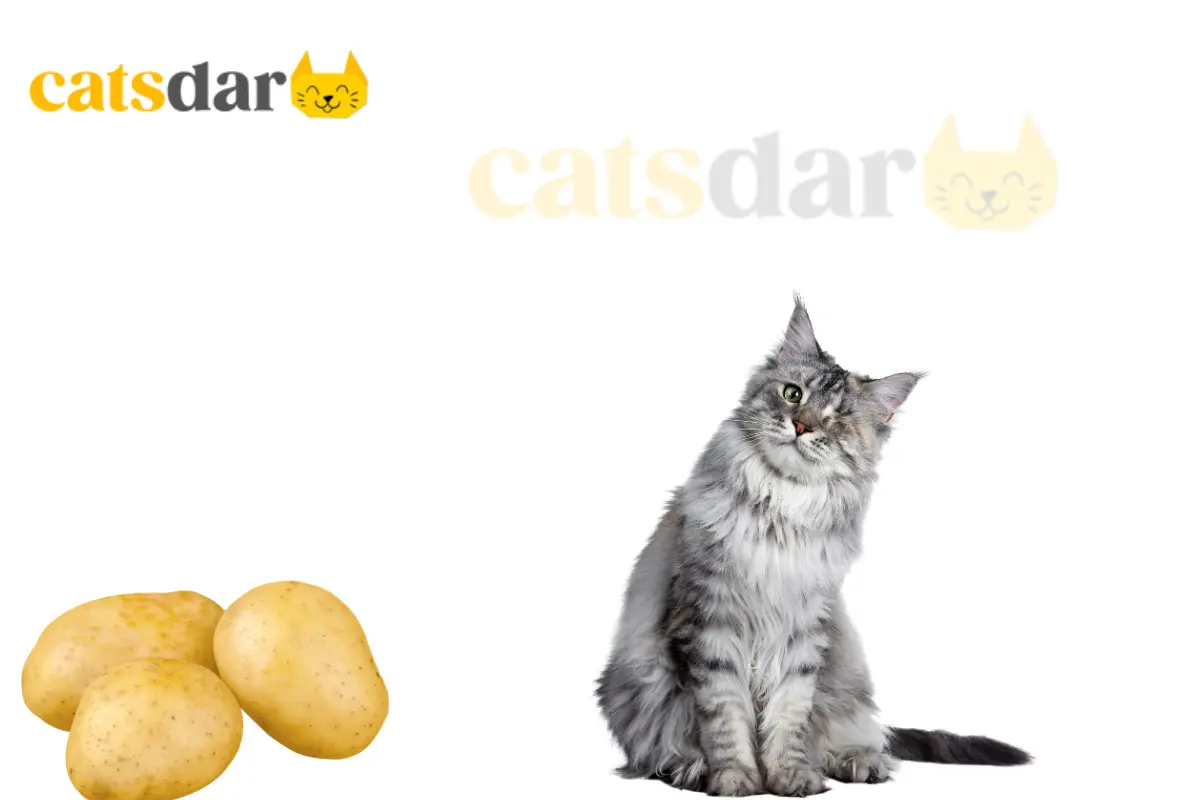
Cats can eat potatoes, but there are some important things to keep in mind. Potatoes are not toxic to cats, but they are high in carbohydrates and low in protein. Feeding your cat too many potatoes can upset their stomach or contribute to weight gain.
Expert tip: Treat potatoes as an occasional snack, not a regular part of your cat’s diet. Always cook them first and avoid adding salt or spices.
Can cats eat mashed potatoes
Cats can eat mashed potatoes in very small amounts. Plain mashed potatoes are okay, but ingredients like butter, milk, garlic, or salt can be harmful to cats. Rich or flavored mashed potatoes should always be avoided.
Expert tip: If you want to share mashed potatoes, give only a tiny spoonful occasionally, and make sure it’s plain. Cats thrive on protein, not starchy foods.
Can cats eat potato chips
Cats can eat potato chips, but it’s not recommended. Chips are loaded with salt, oils, and seasonings that can be dangerous for cats, causing digestive upset or even serious health problems over time.
Expert tip: Never give chips as a treat. Instead, opt for cat safe snacks like small pieces of cooked meat or specially formulated cat treats.
Can cats eat cooked potatoes
Cats can eat cooked potatoes, as long as they are plain and fully cooked. Avoid adding butter, oil, salt, or spices. Cooked potatoes are easier for cats to digest than raw potatoes.
Expert tip: Serve a small amount occasionally, and remember that cooked potatoes should never replace a cat’s main protein based diet.
Can cats eat raw potatoes
Cats should not eat raw potatoes. Raw potatoes contain solanine, a compound that can be toxic to cats and cause vomiting, diarrhea, or lethargy. Raw potatoes are very hard for cats to digest.
Expert tip: Always cook potatoes before offering even a tiny piece to your cat. When in doubt, it’s better to avoid potatoes altogether.
Can Cats Eat Baked Potatoes
Cats can eat baked potatoes in moderation, but plain is the key. Avoid adding salt, butter, or spices, as these can upset your cat’s stomach.
Tips:
- Serve small, plain pieces.
- Make sure the potato is fully cooked and soft.
- Never add toppings that are harmful to cats like cheese or sour cream.
Expert Tip: A baked potato is okay as a tiny treat, but it should never replace your cat’s balanced diet. Think of it as a rare snack, not a meal.
Can Cats Eat Boiled Potatoes
Boiled potatoes are safe for cats if they’re plain and fully cooked. They’re easy to digest and gentle on the stomach.
Tips:
- Peel the potato before serving to remove any skin chemicals.
- Serve in small, bite sized pieces.
- Avoid adding salt or seasonings.
Expert Tip: Boiled potatoes can be a mild treat for cats, especially older ones with sensitive stomachs. Keep it simple and small.
Can Cats Eat Potato Salad
Potato salad is not recommended for cats. Ingredients like mayonnaise, onions, and seasonings can be toxic or harmful.
Key Points:
- Avoid potato salads with onions, garlic, or heavy dressings.
- Cats can’t handle mayo or acidic ingredients well.
- Even small amounts can cause digestive upset.
Expert Tip: If you want to share a potato treat, stick to plain boiled or baked potato pieces. Potato salad is better left for humans.
Can Cats Eat Potato Skins
Potato skins are risky for cats, especially if seasoned or baked with butter and spices. Raw or undercooked skins can contain solanine, which is toxic.
Tips:
- Only plain, fully cooked skin in very tiny amounts is safe.
- Avoid any seasoning, salt, or oil.
- Always monitor your cat for stomach upset after trying a new food.
Expert Tip: Honestly, potato skins aren’t worth the risk. Stick with plain potato flesh for treats.
Can Cats Eat Mashed Potatoes with Butter
Mashed potatoes with butter are not ideal for cats. Butter adds unnecessary fat and lactose, which can upset your cat’s stomach.
Key Points:
- Plain mashed potatoes in small amounts are safe.
- Avoid adding milk, cream, or butter.
- Watch for signs of diarrhea or vomiting if trying a small portion.
Expert Tip: As a cat nutritionist, I always say: the simpler, the better. Plain potato is fine occasionally, but butter ruins it as a cat treat.
Can cats eat fried potatoes
Fried potatoes are not ideal for cats. Can cats eat fried potatoes? Technically, a small bite won’t harm them, but the oil and salt can upset their stomach and cause long term health issues like obesity.
Tip from me as a pet nutrition expert: Avoid giving fried potatoes to your cat and stick to plain, cooked potatoes if you want to offer a treat.
Can cats eat Lay’s potato chips
Can cats eat Lay’s potato chips? No, this is not recommended. Potato chips are loaded with salt, oil, and sometimes flavorings that are harmful to cats. Even a small piece can lead to digestive problems.
Expert advice: Chips are a human snack only. If you want to treat your cat, choose cat safe treats instead.
Can cats eat mashed potatoes and gravy
Can cats eat mashed potatoes and gravy? Plain mashed potatoes might be okay in tiny amounts, but gravy often contains onion, garlic, or other spices that are toxic to cats. Too much can cause serious health issues.
Pro tip: Serve only plain, unsalted mashed potatoes if at all, and skip the gravy completely.
Can cats eat potato bread
Can cats eat potato bread? A small bite of plain bread is usually safe, but potato bread often contains sugar, salt, and preservatives, which aren’t healthy for cats. Over time, it can lead to weight gain.
Advice from a cat nutrition expert: Stick to cat friendly treats and avoid bread as a regular snack.
Can cats eat potato fries
Can cats eat potato fries? Fried potato fries are not safe for cats. They are greasy, salty, and can upset their stomach or contribute to obesity and other health problems.
Expert recommendation: Never give fries to your cat. Plain, cooked potatoes are a much safer alternative.
Can Cats Eat Potato Soup
Cats can eat potato soup in small amounts, but it’s important to make sure the soup doesn’t contain onions, garlic, or heavy spices. These ingredients can be harmful to cats. A plain potato soup with a little water or cat safe broth is generally safe.
Expert tip: Always check the ingredients first and start with just a spoonful. Too much soup can upset your cat’s stomach.
Can Cats Eat Potato Starch
Potato starch is not toxic to cats, but it doesn’t provide any real nutritional value. It can be used occasionally as part of a homemade treat or recipe, but it shouldn’t be a regular part of your cat’s diet.
Expert tip: Keep treats small and occasional. Cats thrive on protein, not starch, so don’t rely on potato starch for their meals.
See also:Can Cats Eat Pumpkin
See also:Can Cats Eat Raspberries
Can Cats Eat Potato Wedges
Potato wedges are not recommended for cats, especially if they are seasoned or fried. Plain, cooked potato wedges without any salt or spices can be offered very occasionally as a tiny snack.
Expert tip: Stick to plain and boiled potatoes if you want to share. Fried or heavily seasoned potatoes can cause digestive issues.
See also:Can Cats Eat Yogurt
See also:Can My Cat Eat Dog Food
Can Cats Eat Potatoes and Carrots
Cats can eat small amounts of potatoes and carrots, but remember that cats are obligate carnivores. Vegetables like potatoes and carrots are fine in tiny amounts, but the main part of their diet should be meat.
Expert tip: Use potatoes and carrots as a supplement, not a main meal. Always cook them soft and plain to avoid digestive problems.
Can Cats Eat Potatoes Everyday
Cats should not eat potatoes every day. While a small amount occasionally is safe, feeding potatoes daily can lead to nutrient imbalance since cats need a high protein diet.
Expert tip: Treat potatoes as an occasional snack, not a daily staple. Stick to high quality cat food for everyday nutrition.
Can Cats Eat White Potatoes
White potatoes are generally safe for cats if they are cooked and served plain. Raw white potatoes contain solanine, which is toxic to cats, so never feed them raw. Cooking removes most of the toxins and makes them easier to digest.
Tip from an expert: Always serve white potatoes in small, occasional amounts and avoid any seasonings or butter to keep your cat safe.
Can Cats Eat Instant Potatoes
Instant potatoes, like mashed potato flakes, are not ideal for cats. They often contain added salt, milk, or preservatives that can upset your cat’s stomach. A tiny taste occasionally might not harm them, but they shouldn’t be a regular treat.
Expert advice: Stick to fresh, plain potatoes rather than instant versions to avoid unnecessary additives.
Can Cats Eat Roast Potatoes
Roast potatoes are usually cooked with oil, butter, or seasoning, which makes them unhealthy for cats. While the potato itself is not toxic when cooked plain, all the extra ingredients can cause digestive problems.
Expert tip: If you want to give your cat roasted potatoes, make a small portion with no oil, salt, or spices. Plain and simple is safest.
Can Cats Eat Russet Potatoes
Russet potatoes are safe for cats only when cooked thoroughly and served plain. Avoid raw russet potatoes because they contain solanine, which can be harmful. Small amounts can be a treat, but they are not necessary in a cat’s diet.
Pro tip from a cat nutritionist: Always cook russet potatoes fully and chop them into small pieces to make them easy for your cat to digest.
In summary, can cats eat potatoes? Yes, in some forms like plain cooked or baked potatoes, but avoid chips, fried potatoes, and potato salad. Mashed potatoes, potato skins, and soups should be given carefully, considering butter, salt, and additives. By knowing which types of potatoes are safe boiled, baked, plain mashed, or small portions of potato wedges you can treat your cat occasionally without risking their health.