Can Cats Eat Cheese Safely? Vet Approved
As a pet nutrition expert, one of the most common questions I hear from cat owners is: can cats eat cheese? In this guide, we’ll explore everything from cottage cheese, cream cheese, and string cheese to popular choices like cheddar, mozzarella, and parmesan. We’ll also cover unique types such as goat cheese, feta, blue cheese, Swiss cheese, and brie. Beyond that, we’ll take a look at fun foods like mac and cheese, cheese pizza, cheese puffs, and cheese balls, plus specialty options like colby jack, gouda, provolone, muenster, ricotta, and asiago cheese. By the end, you’ll know whether cats can enjoy a small amount of cheese safely or if it’s best to avoid it.
can cats eat cheese
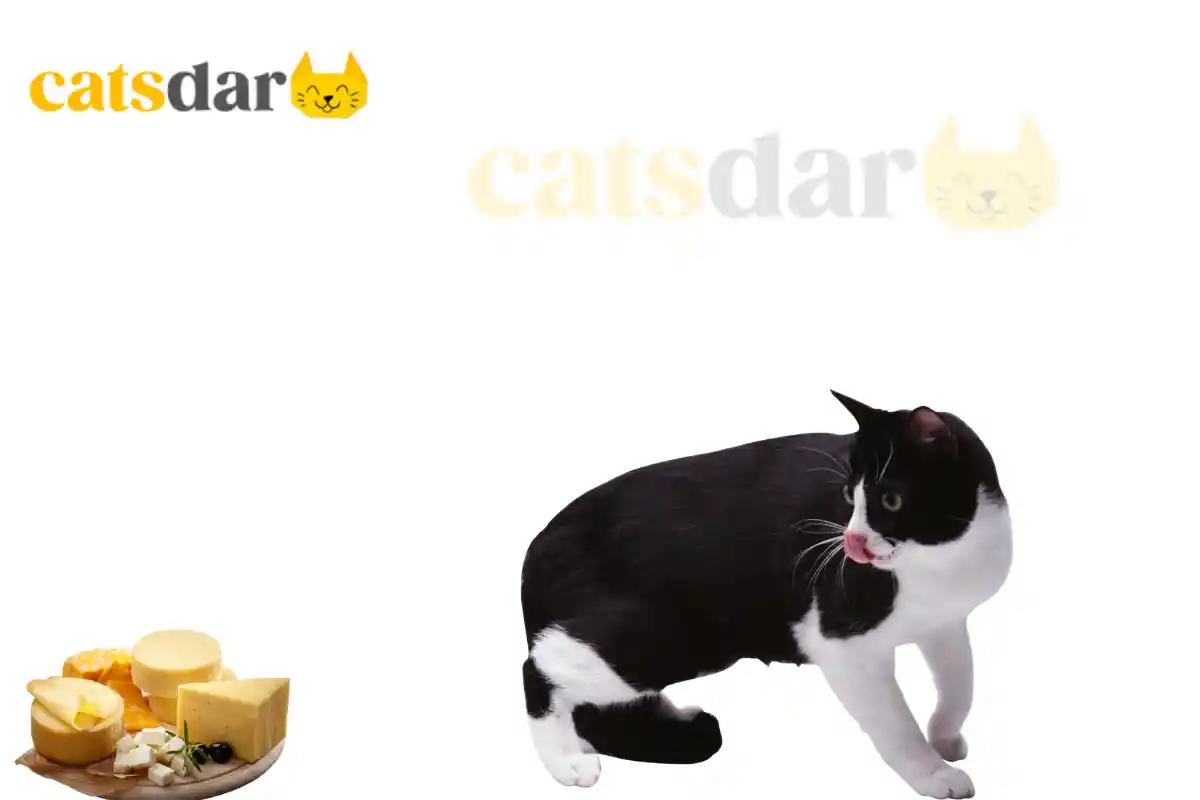
Cats can eat cheese in very small amounts, but it’s not the healthiest snack for them. Most cats are lactose intolerant, which means dairy products can cause stomach upset, diarrhea, or bloating. Cheese has no real nutritional value for cats compared to their regular diet, so it should be considered a rare treat only.
Expert tip: If you really want to share cheese, stick to a tiny bite once in a while and always watch your cat for any digestive issues.
can cats eat cottage cheese
Cottage cheese might seem like a softer and lighter option, but can cats eat cottage cheese safely? The truth is, it still contains lactose, which can upset your cat’s stomach. While a small lick probably won’t harm them, it’s not something to add to their daily meals.
Expert tip: If you want to boost your cat’s protein, choose cooked lean meats instead of cottage cheese it’s safer and much more beneficial.
can cats eat cream cheese
When it comes to the question, can cats eat cream cheese, the answer is similar to other dairy products: it’s not recommended. Cream cheese is high in fat and lactose, which can lead to digestive problems. It also offers little nutritional value for cats.
Expert tip: Avoid giving cream cheese as a snack. Instead, consider small pieces of cooked chicken or salmon as a healthier, cat friendly alternative.
can cats eat string cheese
Many pet parents wonder, can cats eat string cheese? While string cheese isn’t toxic, it’s still dairy and contains lactose. On top of that, its chewy texture might make it hard for cats to digest properly. Eating too much could cause vomiting or diarrhea.
Expert tip: Save the string cheese for yourself. If you want something fun for your cat to chew, offer a safe cat chew toy or treat designed for their teeth.
can cats eat cheddar cheese
So, can cats eat cheddar cheese without any issues? Cheddar has less lactose compared to some other cheeses, but it’s still not a great choice for cats. The fat and salt content can be harsh on their system. A tiny taste on rare occasions might be okay, but it should never replace proper cat food.
Expert tip: If your cat loves the smell of cheddar, use a very small piece as a training reward but always sparingly.
Can cats eat mac and cheese
Cats should not eat mac and cheese. While the pasta itself isn’t toxic, the cheese, butter, and seasonings make it unhealthy for cats. Mac and cheese is high in fat and salt, which can upset your cat’s stomach and lead to long term health problems.
Expert tip: If your cat seems curious, offer a small bite of plain cooked pasta instead of mac and cheese. It’s safer and won’t overload their system.
Can cats eat mozzarella cheese
Cats can eat mozzarella cheese in very small amounts, but it’s not ideal. Mozzarella is lower in fat compared to some other cheeses, but it still contains lactose, which many cats can’t digest properly. Eating too much mozzarella cheese can cause diarrhea or stomach upset.
Expert tip: If you want to give your cat a treat, stick to tiny pieces as an occasional snack, not a regular part of their diet.
Can cats eat parmesan cheese
Cats can eat parmesan cheese in tiny amounts, but it’s not a healthy option. Parmesan cheese is very salty, and cats are sensitive to high sodium. Too much salt can lead to dehydration or kidney stress in cats.
Expert tip: Instead of parmesan cheese, consider giving your cat a small piece of cooked chicken as a safe and protein rich treat.
Can cats eat goat cheese
Cats can eat goat cheese in moderation. Compared to cow’s milk cheese, goat cheese has slightly less lactose, making it a bit easier for cats to digest. However, it’s still high in fat and not meant for daily feeding.
Expert tip: If you want to share goat cheese, keep the portion tiny just a crumb sized bite. Always watch your cat for signs of stomach upset afterward.
Can cats eat cheese strings
Cats should not eat cheese strings. These processed cheeses often contain additives, artificial flavors, and high sodium levels that are not safe for cats. Cheese strings also have a rubbery texture that may pose a choking hazard.
Expert tip: Skip cheese strings and instead give your cat a freeze dried meat treat. It’s healthier and provides the protein cats naturally need.
Can cats eat feta cheese
Cats can eat feta cheese in very small amounts, but it’s not the best choice for them. Feta is salty and high in fat, which can upset a cat’s stomach and even stress their kidneys if eaten often.
Expert Tip: If you want to give your cat a treat, go for plain cooked chicken instead of feta cheese it’s much safer and healthier.
Can cats eat american cheese
Cats can eat American cheese, but it should only be a rare treat. This type of cheese is processed and often contains additives that don’t provide any nutritional value for cats.
Expert Tip: Remember, cats are obligate carnivores. Instead of American cheese, offer them a small bite of cooked fish for a protein packed snack.
Can cats eat blue cheese
Cats should not eat blue cheese. This cheese often contains mold, which can produce toxins harmful to cats. Even a small amount of blue cheese can cause digestive issues or worse.
Expert Tip: Keep blue cheese away from your cat completely. If they accidentally eat some, monitor them closely and contact your vet if they show unusual behavior.
Can cats eat swiss cheese
Cats can eat Swiss cheese in moderation. It’s lower in lactose compared to some other cheeses, which makes it slightly easier on a cat’s stomach. Still, too much Swiss cheese can cause digestive upset.
Expert Tip: If you want to share a bite, make it tiny think of Swiss cheese as an occasional treat, not part of your cat’s regular diet.
Can cats eat cheese puffs
Cats should not eat cheese puffs. These snacks are processed, salty, and full of artificial ingredients that can harm your cat’s health. They offer no nutritional benefit.
Expert Tip: Instead of cheese puffs, keep a bag of cat treats on hand. They’re made to satisfy your cat’s cravings while being safe and balanced.
Can cats eat cheese balls
Cats should not eat cheese balls because they are processed, salty, and often contain artificial flavors. While cats may be curious about the crunchy texture, cheese balls have no real nutritional value for them and can upset their stomach.
Expert Tip: As a pet nutritionist, I recommend offering a small piece of cooked chicken instead of cheese balls it’s much safer and actually healthy for your cat.
Can cats eat cheese sticks
Cats can eat cheese sticks in very small amounts, but it’s not an ideal snack. Cheese sticks are usually processed and can be high in sodium, which isn’t good for cats. Also, many cats are lactose intolerant, meaning they may get diarrhea or stomach upset after eating cheese.
Expert Tip: If you want to give your cat a treat, stick to specially made cat treats instead of cheese sticks. They’ll enjoy the taste and stay healthier.
Can cats eat Colby Jack cheese
Cats can technically eat Colby Jack cheese, but only in very tiny portions. Colby Jack is high in fat and lactose, which most cats can’t digest well. Eating too much could cause vomiting, diarrhea, or weight gain over time.
Expert Tip: I always suggest avoiding regular cheese for cats there are cat safe cheese treats on the market that are designed to be gentle on their stomach.
Can cats eat Gouda cheese
Cats should not eat Gouda cheese regularly. Gouda is a rich, fatty cheese that can be hard on a cat’s digestive system. While a small nibble likely won’t harm them, it’s not a healthy or beneficial choice.
Expert Tip: As someone who’s worked with pets for years, I recommend focusing on protein based snacks instead of Gouda cheese. Cats thrive on meat, not dairy.
Can cats eat Provolone cheese
Cats can eat Provolone cheese in very small amounts, but it’s not recommended. Provolone is salty and contains lactose, which can upset your cat’s digestive system. Regular cheese snacks could lead to long term health problems.
Expert Tip: My advice is to avoid Provolone cheese altogether and stick with meat based cat treats they’re tastier for your cat and far healthier.
Can cats eat shredded cheese
Cats can eat shredded cheese in very small amounts, but it’s not the healthiest snack for them. Most cats are lactose intolerant, which means shredded cheese can upset their stomach and cause diarrhea.
Expert Tip: As a pet nutritionist, I recommend using shredded cheese only as an occasional training treat, never as a regular part of your cat’s diet.
Can cats eat Babybel cheese
Cats can eat Babybel cheese in tiny bites, but it’s high in fat and salt. Eating too much Babybel cheese may lead to weight gain or digestive issues in cats.
Expert Tip: If you really want to share Babybel cheese with your cat, peel off a very small piece and give it as a rare treat. Moderation is the key here.
Can cats eat Brie cheese
Cats should not eat Brie cheese because it’s a soft cheese that contains higher fat content and sometimes mold ripened cultures, which can upset their digestive system. Brie cheese is harder for cats to tolerate than harder cheeses.
Expert Tip: I strongly advise keeping Brie cheese away from your cat. Instead, choose safer options like a small piece of cooked chicken if you want to spoil them.
Can cats eat Pepper Jack cheese
Cats should avoid Pepper Jack cheese because it contains spicy peppers that can irritate a cat’s stomach and cause discomfort. Pepper Jack cheese is definitely not safe compared to plain cheese types.
Expert Tip: As a specialist, I always remind pet owners that spicy foods are harmful to cats. Stick to plain proteins if you want to treat your furry friend.
Can cats eat sharp cheddar cheese
Cats can eat sharp cheddar cheese in very small amounts since it’s a hard cheese with less lactose than soft ones. Still, sharp cheddar cheese is rich and can cause digestive problems if given too often.
Expert Tip: If you want to use sharp cheddar cheese, give only a tiny shred as a special reward, not as part of their daily meals.
See also:Can Cats Eat Pork
See also:Can Cats Eat Marshmallows
Can cats eat cheese pizza
Cats should not eat cheese pizza because it usually contains garlic, onions, and a lot of salt, which are harmful to cats. Even though cats may like the smell, cheese pizza is not a safe food choice for them.
Expert Tip: As a pet nutritionist, I strongly suggest avoiding pizza altogether and sticking with plain, cooked meat as a safer snack.
See also:Can Cats Eat Nuts
See also:Can Cats Eat French Fries
Can cats eat Muenster cheese
Cats can eat Muenster cheese in very small amounts, but it’s not an ideal food for them. This type of cheese has lactose, and most cats can’t digest it properly. Too much Muenster cheese can lead to stomach upset.
Expert Tip: I recommend giving only a tiny piece as a rare treat, and always watch for any digestive issues after.
Can cats eat ricotta cheese
Cats can eat ricotta cheese, but only in moderation. Ricotta cheese is softer and contains more lactose compared to harder cheeses, so it may cause bloating or diarrhea in sensitive cats.
Expert Tip: In my experience, if you want to share ricotta cheese, offer a small lick instead of a full spoonful.
Can cats eat cheese cake
Cats should not eat cheesecake because it is high in sugar, cream, and sometimes chocolate all of which are harmful to cats. Cheesecake can easily upset their stomach and contribute to unhealthy weight gain.
Expert Tip: I always tell cat owners to keep sweets like cheesecake for humans only, and instead give cats safe protein treats.
Can cats eat a small amount of cheese
Yes, cats can eat a small amount of cheese as an occasional treat. Hard cheeses like cheddar are easier to digest than soft ones, but too much cheese can still cause digestive upset.
Expert Tip: From my professional view, keep cheese treats tiny and occasional think of them as a “bonus snack,” not part of your cat’s daily diet.
Can cats eat American cheese slices
Cats can eat American cheese slices in very small amounts, but it’s highly processed and contains additives like salt and preservatives. Regularly feeding American cheese slices can upset a cat’s stomach.
Expert Tip: As a pet nutritionist, I suggest using American cheese slices only as a rare treat. Tiny bits occasionally are okay, but never make it a habit.
Can cats eat Asiago cheese
Cats can eat Asiago cheese in tiny portions, since it’s a harder cheese with lower lactose. Still, Asiago cheese is rich, and too much can lead to weight gain or digestive upset.
Expert Tip: I recommend giving Asiago cheese sparingly. Think of it as a reward, not a snack they don’t need cheese for a balanced diet.
Can cats eat bagels with cream cheese
Cats should avoid bagels with cream cheese. The bagel is high in carbs, and cream cheese is rich in fat and lactose, which can cause stomach issues and weight gain.
Expert Tip: I always tell pet owners: skip bagels with cream cheese for your cat. Instead, offer plain cooked meat or cat safe treats it’s healthier and safer.
So, can cats eat cheese? The answer depends on the type and amount. While tiny portions of mild cheese like mozzarella, cottage cheese, or cheddar might not cause harm, richer options such as cream cheese, blue cheese, or cheese pizza can upset your cat’s stomach. It’s always best to offer cheese in moderation, if at all, and focus on a balanced cat diet. Whether it’s shredded cheese, cheese sticks, or even a small bite of cheesecake, remember that cats are lactose sensitive, so cheese should be more of a rare treat than a daily snack.