Can Cats Eat Seaweed Vet Approved
Many cat owners wonder, can cats eat seaweed safely? In this guide, we’ll cover if cats can eat dried seaweed, seaweed snacks, sheets, seaweed with salt, nori seaweed, roasted and seasoned seaweed, seaweed salad, sushi seaweed, and even if cats and dogs can share dried seaweed. We’ll also discuss potential benefits and risks for your furry friends.
Can Cats Eat Seaweed
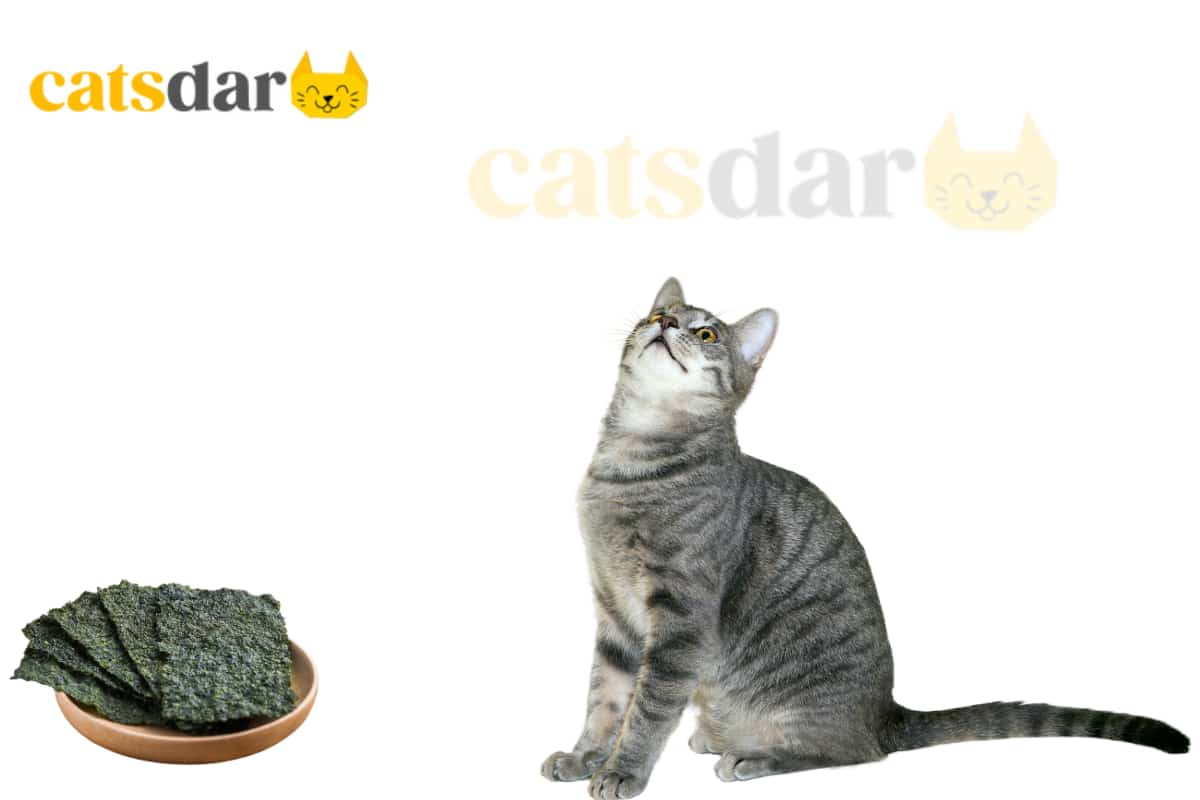
Yes, cats can eat seaweed in small amounts. Seaweed is packed with vitamins like A, C, and E, plus minerals like iodine, which can support your cat’s thyroid and overall health. However, too much seaweed can upset their stomach or cause excess iodine intake.
Expert tip: Introduce seaweed slowly and in tiny amounts to see how your cat reacts. Moderation is key.
Can Cats Eat Dried Seaweed
Dried seaweed is safe for cats in limited quantities. It contains nutrients that can benefit your cat’s coat and immune system, but dried seaweed often has a higher concentration of salt. Too much salt can be harmful to your cat’s kidneys.
Expert tip: Always choose plain, unsalted dried seaweed if you want to give it to your cat. A little sprinkle as a treat works best.
Can Cats Eat Seaweed Snacks
Seaweed snacks made for humans are generally not recommended for cats. Many of these snacks are seasoned or contain added oils, sugar, or salt, which aren’t safe for feline consumption. Even small amounts of flavored seaweed can cause digestive issues.
Expert tip: Stick to plain, natural seaweed and avoid any snacks meant for humans. Your cat’s health should come first.
Can Cats Eat Seaweed Sheets
Plain seaweed sheets, like nori, can be offered occasionally to your cat. These sheets are low in calories and can serve as an interesting texture for your cat to explore. Just make sure they are free from added salt or flavoring.
Expert tip: Use seaweed sheets as a tiny treat or crumble over their regular food. Always supervise your cat with new foods to prevent choking.
Can cats eat seaweed with salt
Cats can eat seaweed with salt, but it’s not ideal for them. Salt can upset your cat’s stomach and even affect their kidneys if consumed regularly. A small lick or tiny nibble might be harmless, but salted seaweed shouldn’t be a regular treat.
Pro tip: Stick to plain, unsalted seaweed if you want to give your cat a safe, occasional snack.
See also: Can Cats Eat Scrambled Eggs
See also: Can Cats Eat Spinach
Can cats eat nori seaweed
Cats can eat nori seaweed, which is commonly used in sushi. Nori is low in calories and has some nutrients like vitamins and minerals, but it shouldn’t replace your cat’s regular balanced diet. It’s best as an occasional treat.
Pro tip: Break nori into tiny pieces and offer only a small amount to avoid digestive upset.
See also: Can Cats Eat Sweet Potatoes
See also:Can Cats Eat Yolk Egg
Can cats eat roasted seaweed
Cats can eat roasted seaweed, but moderation is key. Roasting adds flavor and texture, which might tempt your cat to eat too much. Some roasted seaweed contains added oils or salt, which isn’t healthy for cats.
Pro tip: Choose plain, unsalted roasted seaweed and monitor your cat’s reaction the first time you offer it.
Can cats eat seasoned seaweed
Cats can eat seasoned seaweed, but caution is necessary. Seasoned seaweed often contains spices, soy sauce, or garlic, which can be harmful to cats. Even small amounts of certain seasonings can cause digestive issues or more serious health problems.
Pro tip: Avoid giving seasoned seaweed. If you want to share seaweed with your cat, keep it plain and unflavored.
Can cats eat seaweed salad
Cats can eat seaweed salad in small amounts, but it should be plain and free of seasonings like garlic, onions, or heavy dressings. Seaweed is rich in minerals and vitamins, but too much can upset your cat’s stomach or lead to digestive issues.
Expert tip: Always introduce any new food slowly and watch for signs of discomfort. A tiny pinch of plain seaweed salad as a treat is usually safe, but never make it a regular meal.
Can cats eat sushi seaweed
Cats can eat sushi seaweed, also known as nori, in tiny pieces. Nori is low in calories and contains beneficial nutrients like iodine, but sushi often comes with rice, soy sauce, or other seasonings that are not safe for cats.
Expert tip: Stick to plain, dry nori sheets and avoid anything prepared for human sushi rolls. Treat it as an occasional snack, not a substitute for your cat’s regular diet.
Can cats and dogs eat dried seaweed
Both cats and dogs can eat dried seaweed, but moderation is key. Dried seaweed is nutritious and contains minerals that support thyroid health, but too much can lead to excess iodine intake. Avoid varieties with added salt, flavoring, or seasonings.
Expert tip: Break dried seaweed into small, manageable pieces. Start with tiny amounts and observe your pet for any digestive upset. Treat it like a special snack, not a daily food.
So, can cats eat seaweed? Yes, but only plain, unsalted, unseasoned types like nori. Avoid flavored or processed seaweed to keep your cat safe and healthy.